EU–Mercosur agreement faces new hurdle that will delay implementation
After overcoming the main political obstacles following more than two decades of negotiations, the EU–Mercosur agreement now faces an additional delay that complicates its entry into force.
The European Parliament decided to refer the agreement to the Court of Justice of the European Union to assess its compatibility with EU treaties—a move that suspends the parliamentary approval process that had been scheduled for the coming months.
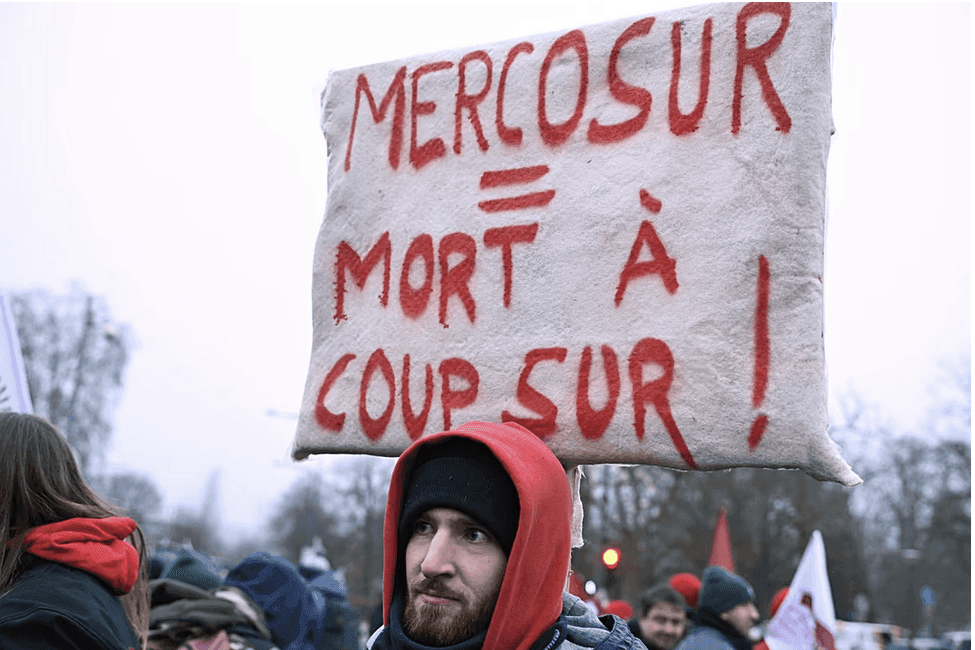
The vote was extremely tight (334 in favor, 324 against and 11 abstentions) and highlighted the deep political divisions the agreement has sparked across Europe. Lawmakers backing the referral questioned the European Commission’s strategy of separating the trade pillar of the agreement, which they argue limited the role of national parliaments. They also raised concerns about the so-called “rebalancing mechanism,” which would allow Mercosur countries to take retaliatory measures if future EU regulations reduce their exports.
From a practical standpoint, the judicial referral has a clear consequence: the ruling could take more than a year, during which ratification will be frozen. In effect, this rules out any short-term implementation and reinforces the view that the agreement is unlikely to enter into force before 2027.
While the Commission could still move ahead with a provisional application, doing so would entail institutional tensions and appears unlikely in the current European political context.
Source: Euronews